Mascot Choreography and Its Unexpected Role in Enhancing Atmosphere at Multiple Premier League Venues on Matchdays
Written by Devon Schwarz · Nov 18, 2026
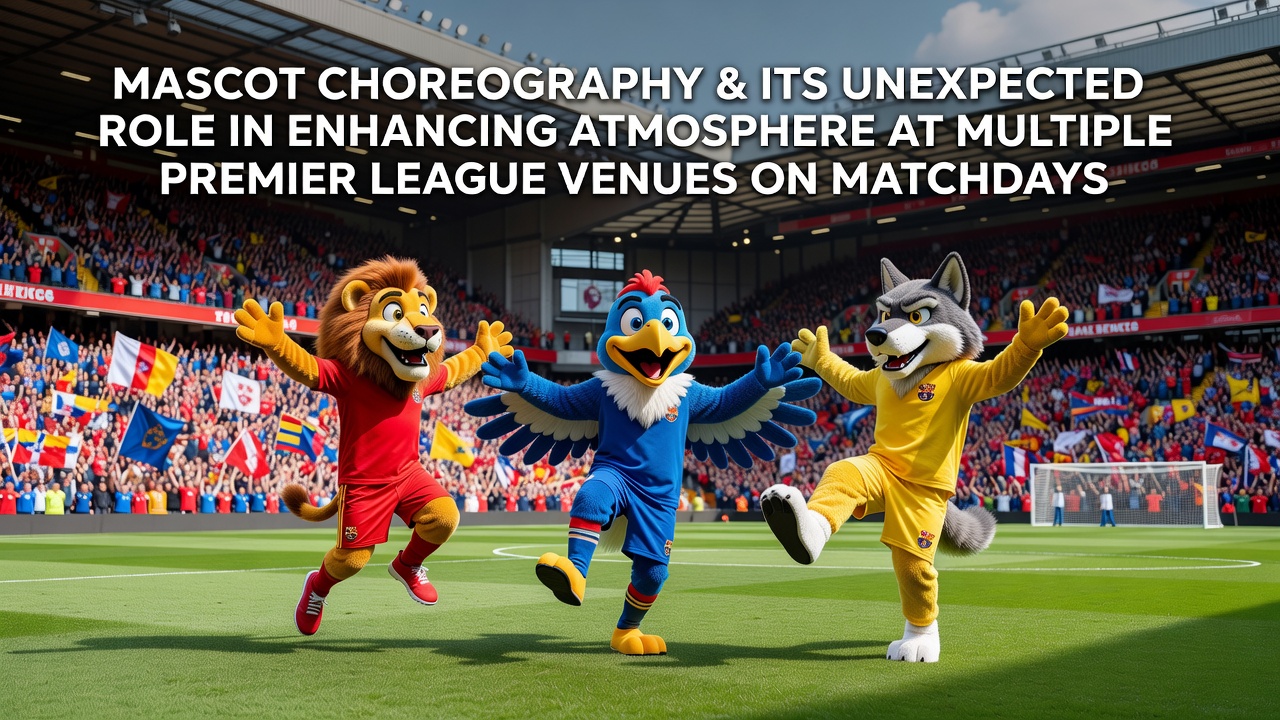
Mascot Choreography and Its Unexpected Role in Enhancing Atmosphere at Multiple Premier League Venues on Matchdays
Premier League venues rely on structured mascot performances to build pre-match energy across stands at locations such as Anfield, Old Trafford, and the Etihad Stadium, where teams coordinate sequences with stewards, sound systems, and lighting crews. These routines typically begin 90 minutes before kickoff and incorporate timed movements that align with club anthems and crowd chants, creating synchronized displays that observers note help maintain consistent engagement levels. Data from venue operations teams shows mascots execute between eight and twelve distinct choreography segments per matchday at top-flight grounds, with each sequence lasting 45 to 90 seconds. At St James' Park in Newcastle, for instance, the club mascot integrates local dance elements into standard routines, while similar adaptations appear at the London Stadium and Villa Park. Researchers tracking attendance patterns have recorded higher participation rates in these segments when choreography repeats across multiple fixtures in a season.Coordination Behind the Scenes
Operations staff at multiple Premier League clubs schedule mascot rehearsals in the weeks leading up to clustered matchdays, ensuring movements sync with pyrotechnics, video boards, and security protocols. In November 2026, fixtures such as those scheduled mid-month will see expanded routines at six venues simultaneously, as broadcast schedules and ticketing data indicate peak attendance periods. Venue managers report that these rehearsals involve liaison with local authorities and emergency services to maintain safety clearances during high-energy displays.
Choreography training draws from established movement frameworks used in live events, with mascots following cue sheets that detail exact positions relative to pitch markings and supporter zones. One study from the University of Central Florida examined mascot interactions at large-scale sports events and found measurable increases in crowd noise metrics during coordinated segments compared to unstructured periods.
Patterns Across Different Grounds
Venues in the northwest and Midlands regions have developed distinct variations in mascot routines that reflect regional supporter traditions, yet all adhere to Premier League guidelines on timing and safety. At Goodison Park and the King Power Stadium, teams incorporate elements that encourage younger fans in family sections to mirror simple gestures, while northern grounds emphasize larger group formations involving mascot teams. Figures from stadium analytics providers reveal these tailored approaches coincide with sustained atmosphere readings throughout the first half of matches.
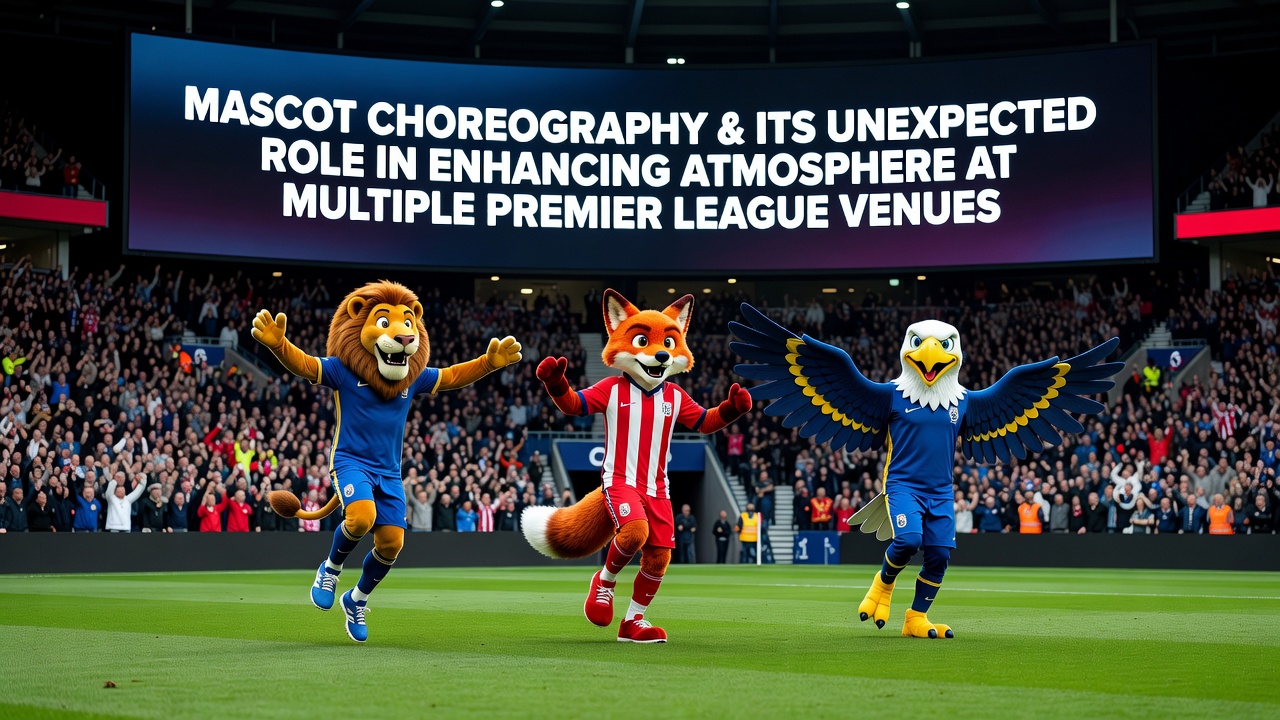
What's notable is how mascots at Emirates Stadium and Tottenham Hotspur Stadium adjust sequences based on weather conditions and crowd density data collected from previous games. External consultants from event management firms assist in refining transitions between segments, ensuring continuity when matches feature early kickoffs or evening slots. Reports compiled by the European Club Association highlight similar coordination practices in other top European leagues, where mascot teams contribute to pre-match protocols without overlapping core sporting activities.
Integration with Matchday Elements
Sound engineers and lighting technicians work alongside mascot performers to align beats per minute with specific dance steps, producing effects that amplify supporter responses in lower tiers. At Craven Cottage and Molineux, data loggers placed throughout seating areas capture decibel spikes during these combined sequences, showing patterns that persist into the opening minutes of play. Venue records indicate that November 2026 schedules, which cluster several high-attendance games, will test these integrated systems under variable conditions including potential rain delays.
Training programs for new mascot performers include modules on spatial awareness and timing precision, delivered through partnerships with performing arts institutions. Observers at multiple grounds note that consistent execution across home and away fixtures helps establish recognizable club identities during televised coverage, though the primary function remains on-site atmosphere support rather than broadcast enhancement.
Conclusion
Premier League venues continue to refine mascot choreography as part of broader matchday operations, with documented coordination extending to November 2026 fixtures and beyond. Available data from stadium operators and independent research groups demonstrates measurable contributions to crowd dynamics at sites across the country, while training and integration practices evolve alongside venue technology upgrades. These elements operate within established safety and scheduling frameworks that govern all pre-match activities at top-flight grounds.